3 min read
I’ve owned my washer for 22 years. I can’t say that about my software.
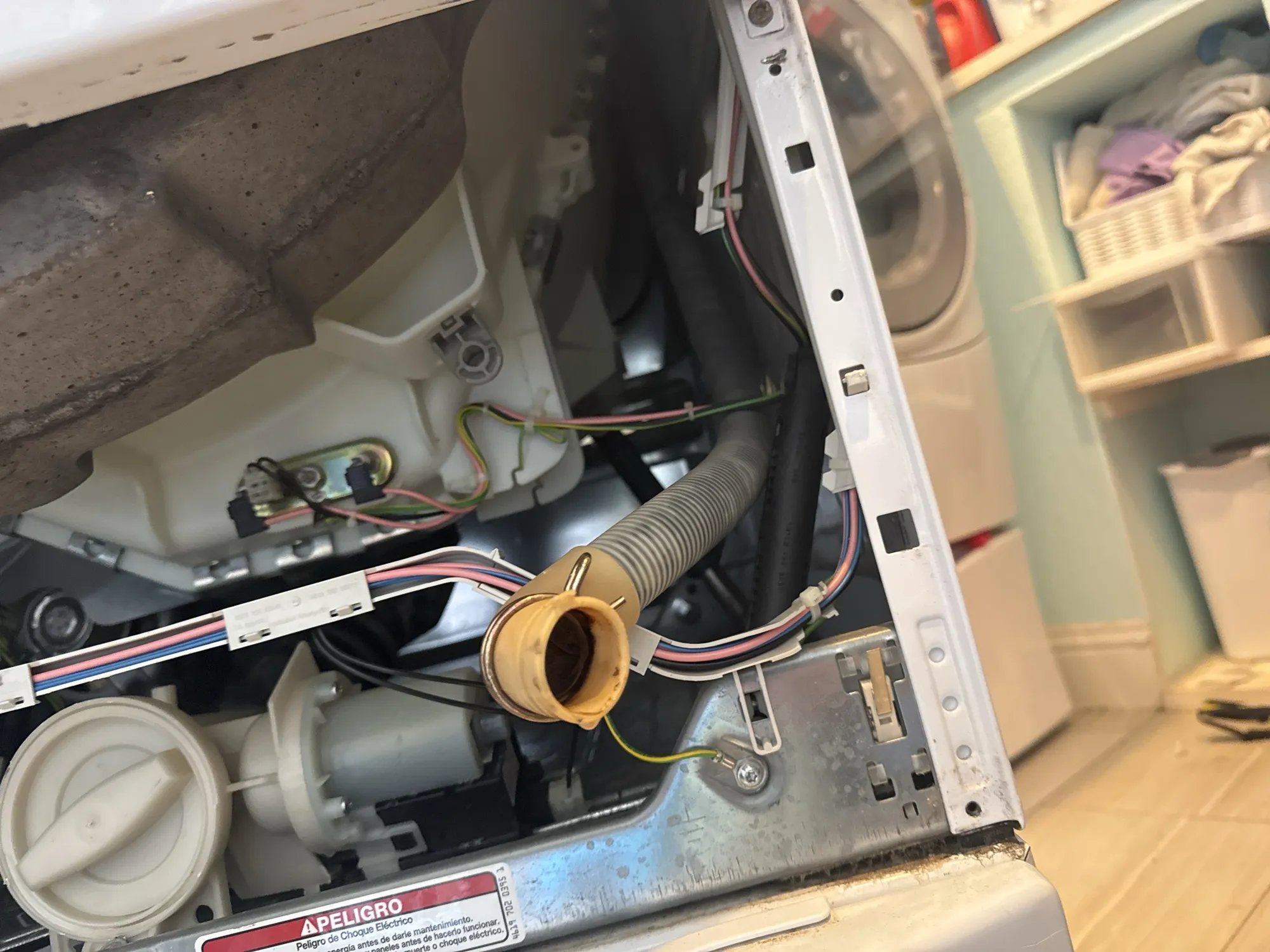
Yesterday I took apart our washer. It’s a Whirlpool, and we’ve had it for 22 years.
The drain hose was clogged, and two of the shock absorbers were broken and worn out. I cleaned out the drain, put in a new hose and replaced both shocks. Then it went back to work.
That wasn’t the first repair. Over the years I’ve replaced the front control panel board, the motor control board and the drain pump. I’ve unclogged the drain bellows, the cleanout valve and the drain hose more than once.
At first I worked from the manuals. Later I used repair videos online. These days I start by asking Gemini to help me troubleshoot, and it is especially good at common household repairs like these.
None of that was free. Every repair cost parts and an afternoon. If I hadn’t done it myself, it would have cost someone else’s time and materials, and I would have paid for that instead.
But the washer is mine. I bought it once, and I’ve owned it for 22 years. It has been one of the most reliable things in our house, because I could keep it running.
Software used to work this way
You bought a copy. It came with a period of updates and support. If you wanted more, you could pay for a maintenance plan or an upgrade. If you didn’t, you kept using what you had.
There was never a promise that it would run on every new operating system forever. Sometimes an upgrade broke something and you had to decide whether to pay for the new version. But you made that decision. The copy you bought was still yours.
Then it changed
Software moved to subscriptions. Stop paying, and you lose access, often to your own work.
A lot of consumer products moved the same way. They’re built so that replacing them costs less than fixing them. Parts aren’t sold, or the board that fails is glued into the part that didn’t. The product isn’t made to be maintained. It’s made to be thrown away and bought again.
For the vendor, that’s a better business. Revenue repeats, and the total price goes up. For the owner, the cost of maintenance didn’t go away. You still pay it. You just pay it forever, and you no longer own anything at the end.
Where subscriptions make sense
Some software really does cost money every month to provide. If a service stores your files, syncs your devices or runs on someone’s servers, a subscription is a fair way to pay for it. I run services like that, and I charge for them that way.
The problem is when a subscription replaces something that never needed one. A desktop app that edits files on your own computer doesn’t cost the vendor anything when you open it. Charging rent for it is a choice.
What happened with Publisher
Microsoft removed Publisher from Microsoft 365 on October 1. People who had paid for it every month for years lost the app, and many were left with files they couldn’t edit.
That’s why PubKeep is a one-time purchase. You buy it, and it keeps working. It saves to an open format, so your work is never stuck inside it. I wrote more about why I built it.
The point
Maintenance always costs something. A washer needs parts. Software needs updates. Someone pays for that time either way.
What matters is who owns the thing at the end. With my washer, I do. I’d like more of the software we depend on to work the same way.